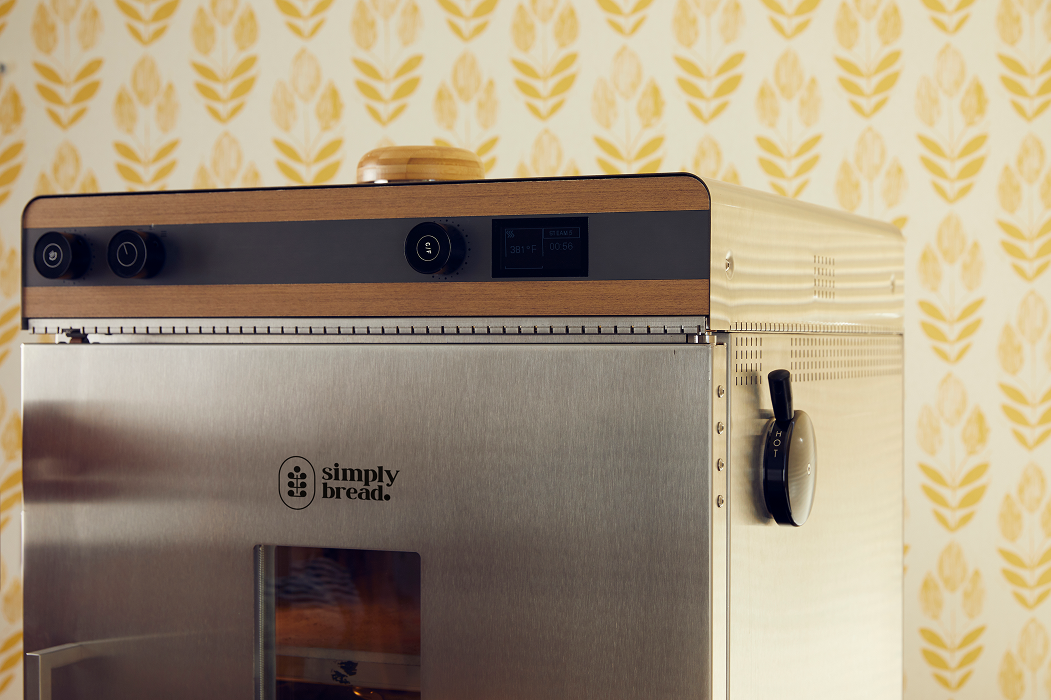
When bakers shop for an oven, most of the conversation revolves around performance. Temperature stability, steam systems, deck capacity, how the oven handles a full load of dough. Those things matter deeply, and anyone who has spent real time chasing better bread understands why.
But in our experience working with bakeries every day, the question that gets overlooked until it becomes a problem is safety certification. It is one of the reasons we design every Simply Bread oven around UL and NSF certification standards from the beginning, rather than treating them as something to sort out later.
UL and NSF certifications are independent verifications that a piece of equipment has been evaluated against nationally recognized standards for safety, sanitation, and structural reliability. For an oven running at high temperatures, for hours at a time, in an active production environment, the difference between certified and uncertified equipment can be the difference between passing a health inspection and failing one, or between a safe kitchen and serious accidents. That certification also protects the investment itself. Certified equipment holds its value in the resale market because buyers know it can go directly into a professional kitchen, a shared space, or a brick and mortar location without any additional hurdles.
UL stands for Underwriters Laboratories, an independent organization that tests and certifies electrical and mechanical equipment for safety. When an oven receives UL certification, it means the unit has been evaluated to confirm it can operate safely under normal working conditions without presenting electrical, fire, or structural hazards.
That certification comes from a formal testing process, one where the equipment is evaluated against specific, measurable standards before it ever reaches a commercial kitchen. It is an independent evaluation conducted by UL engineers who examine the equipment across several critical areas:
An oven gets opened and closed constantly throughout a bake day. Racks go in loaded and come out hot. Weight shifts every time product moves. These are the rhythms of a working kitchen.
What most bakers don't think about is how those rhythms affect the physical stability of the equipment itself. Every time a door swings open, the center of gravity shifts forward. Every time a full load of dough goes in, the weight on the front of the oven increases. A unit that shifts or rocks under that kind of load creates real risk, especially in environments where kids, family members, and first-time bakers are part of the picture alongside experienced professionals.
UL tip stability testing simulates those forces and ensures the oven is designed to stay secure through all of it.
In places like California and other regions where seismic activity is a real part of life, structural stability carries additional weight. Ovens are heavy pieces of equipment, often operating at high temperatures and positioned in tight working kitchens. When the ground moves, whether from an earthquake, nearby traffic, or the everyday vibration of a busy building, the stability of that equipment becomes more than a design detail.
UL stability testing helps confirm that an oven has been engineered with balance and structural integrity in mind. The center of gravity, frame strength, and overall construction are evaluated to ensure the unit remains secure under shifting conditions.
Certification does not remove every possible risk. What it does provide is assurance that the equipment was designed with stability as a requirement from the beginning, not treated as an afterthought once the oven was already built.
When the floor moves, that difference matters.
Safety is only half the picture. In a bakery environment, the oven lives inside a food production space. Flour dust settles everywhere. Dough and oils find their way into seams and corners. Surfaces are wiped down repeatedly, sometimes several times a day. Every material, joint, and edge has to be built with sanitation in mind.
That is where NSF certification comes in.
NSF-certified equipment has been evaluated on:
Equipment that looks clean on the outside can still trap flour, oil, or moisture in small gaps and seams. Over time those areas become difficult to sanitize and can turn into real food safety concerns.
For most commercial kitchens, NSF certification is not optional. Health departments require it for equipment used in food production environments.
Even for smaller bakeries and cottage operations, equipment built to NSF standards makes daily cleaning easier and helps prevent sanitation problems that often appear slowly and unexpectedly.
Bakery ovens exist at the intersection of two very different environments. On one side, a powerful heating system drawing significant electrical load, operating at sustained high temperatures, with a structure that has to remain stable through constant daily use. On the other side, a piece of equipment that lives inside a food production space where sanitation standards are non-negotiable. Those two realities are why both certifications exist and why having one without the other leaves a real gap.
When both certifications are present, the oven has been evaluated across the full set of conditions a real bakery creates. It is built to operate safely under the mechanical demands of a working kitchen while also meeting the sanitation standards required in food production environments.
That combination also gives bakers flexibility as their businesses grow. A Simply Bread oven that begins in a home kitchen is already built to the standards required in shared kitchens, teaching environments, and commercial bakeries. When a cottage baker expands into those spaces, the oven can move with them because the certifications required in those environments are already in place.
For bakers investing in equipment they plan to rely on for years, that kind of flexibility is not a minor detail.
At Simply Bread, every oven is built to meet both UL and NSF certification standards. Electrical systems, structural stability, and food-safe construction are evaluated independently before the oven ever reaches a baker's kitchen. Designing with those standards in mind is one thing. Submitting every oven to independent testing to earn and maintain those certifications is how we back that up.
That process matters because of what bakers actually do with these ovens. They run them for hours at a time, load them repeatedly, clean them constantly, and depend on them to perform the same way on bake day fifty as they did on bake day one. The environments where that happens range from home kitchens and cottage operations to shared commercial spaces, teaching facilities, and professional bakeries. Each of those environments has its own demands, its own standards, its own expectations for the equipment operating inside it.
The Simply Bread oven is built to meet all of them.
For bakers who are building something, that is not a small thing. The oven you start with in your home kitchen is the same oven that can walk into a commercial space and meet every requirement on day one.


.png)


.webp)
.webp)
